Table of Contents
Introduction to Iran
Iran is a fascinating country located in the heart of the Middle East, known for its deep-rooted history, rich culture, and global significance. Officially called the Islamic Republic of Iran, it was historically known as Persia—a name that still reflects its ancient civilization and cultural legacy. (Encyclopedia Britannica)
What makes Iran truly unique is its incredible blend of ancient traditions and modern identity. From powerful empires that ruled thousands of years ago to its present-day influence in world affairs, Iran has always played an important role in shaping regional and global history. Today, it is home to over 80 million people and a diverse society with multiple ethnic groups, languages, and traditions. (Encyclopedia Britannica)
Geographically, Iran is a land of contrasts. It features vast deserts, towering mountains, and vibrant cities like Tehran, which serves as its capital and economic hub. The country also holds some of the world’s largest oil reserves, making it economically significant on a global scale. (Encyclopedia Britannica)
In this article, we will explore mind blowing facts about Iran that highlight its history, culture, and uniqueness—giving you a deeper understanding of a country that is often misunderstood but incredibly rich in heritage and diversity.
Quick Overview of Iran
Iran, officially known as the Islamic Republic of Iran, is a country located in West Asia and is considered one of the most historically rich nations in the world. It has a strategic location that connects the Middle East, Central Asia, and South Asia, making it important both geographically and politically. (atlasgeopolitica.com)
Here is a quick and clear overview of Iran:
- Capital: Tehran (Encyclopedia Britannica)
- Population: Around 85–87 million people (Encyclopedia Britannica)
- Official Language: Persian (Farsi) (Encyclopedia Britannica)
- Currency: Iranian Rial (IRR) (atlasgeopolitica.com)
- Location: West Asia (Middle East region) (atlasgeopolitica.com)
- Area: Approximately 1.6 million square kilometers (Orti.se)
- Religion: Majority Islam (mainly Shia Muslims) (Encyclopedia Britannica)
Iran shares borders with several countries including Pakistan, Afghanistan, Turkey, and Iraq, and also has coastlines along the Persian Gulf and the Caspian Sea. (Encyclopedia Britannica)
Overall, Iran is a large, diverse, and influential country known for its ancient heritage, natural resources, and cultural depth. This basic overview will help you better understand the mind blowing facts about Iran discussed in the next section.
1. Iran Was Formerly Known as Persia
One of the most mind blowing facts about Iran is that it was historically known as Persia. This name was widely used in the Western world for centuries and is still associated with Iran’s rich cultural and historical identity.
The term Persia actually comes from “Parsa”, a region in southern Iran that was the center of powerful ancient empires. Over time, ancient Greeks and other civilizations used this name to describe the entire country. (Encyclopedia Britannica)
However, in 1935, the country officially requested to be called Iran, which means “Land of the Aryans.” Despite this change, the name Persia is still commonly used when referring to its ancient history, art, and culture. (Encyclopedia Britannica)
This unique dual identity—modern Iran and ancient Persia—makes the country even more fascinating and historically rich.
2. One of the World’s Oldest Civilizations
Another one of the most mind blowing facts about Iran is that it is home to one of the world’s oldest continuous civilizations. The history of Iran dates back over 7,000 years, making it one of the earliest centers of human development.
Ancient Iran was the heart of powerful empires such as the Achaemenid Empire, which was founded by Cyrus the Great in the 6th century BCE. This empire became one of the largest in history, stretching across three continents.
Over the centuries, Iran continued to thrive through different dynasties, preserving its culture, language, and traditions despite invasions and changes in power. This long and continuous history is what makes Iran truly unique among nations.
Its ancient roots are still visible today in historical sites, traditions, and the Persian language, which has survived for thousands of years.
3. Tehran Is One of the Largest Cities in the Middle East
Another one of the most mind blowing facts about Iran is that its capital, Tehran, is one of the largest and most populated cities in the Middle East.
With a population of around 9 million people in the city and over 15 million in the metropolitan area, Tehran is not only the biggest city in Iran but also one of the most important urban centers in West Asia. (Wikipedia)
In fact, Tehran ranks among the top largest cities in the Middle East, second only to Cairo in terms of metropolitan population. (WorldAtlas)
Tehran is more than just a large city—it is the political, economic, and cultural heart of Iran. It hosts government institutions, major industries, universities, and a rapidly growing urban lifestyle that reflects both modern development and traditional values. (Encyclopedia Britannica)
Its massive size, population, and influence make Tehran a key city not only in Iran but across the entire Middle East region.
4. Iran Has Many UNESCO World Heritage Sites
Another one of the most mind blowing facts about Iran is its incredible number of UNESCO-recognized heritage sites. Iran is home to dozens of UNESCO World Heritage Sites, which highlight its historical and cultural importance.
As of recent updates, Iran has around 29 UNESCO World Heritage Sites, placing it among the top countries in the world for preserved cultural heritage. (Wikipedia)
These sites include famous landmarks such as Persepolis, Golestan Palace, and the stunning Lut Desert. Each of these places represents a different part of Iran’s long and diverse history.
These heritage sites are not just tourist attractions—they are living proof of Iran’s ancient civilization, architectural brilliance, and cultural richness that has survived for thousands of years.
This makes Iran one of the most historically rich countries in the world, with a legacy that continues to attract researchers, historians, and travelers alike.
5. Persian Is One of the Oldest Languages
Another one of the most mind blowing facts about Iran is that its official language, Persian (also known as Farsi), is one of the oldest continuously used languages in the world.
Persian has a history that spans over 2,500 years, evolving from ancient forms like Old Persian and Middle Persian into the modern language spoken today. What makes it truly remarkable is that, despite these changes, it has remained largely understandable across centuries.
Throughout history, Persian has been a major language of literature, science, and administration across vast regions of Asia. It was once widely used in parts of Central Asia, South Asia, and even the Indian subcontinent.
Famous poets like Rumi and Hafez wrote their timeless works in Persian, which are still read and admired around the world today.
The survival and influence of the Persian language make it a powerful symbol of Iran’s cultural continuity and intellectual heritage.
6. Iran Has a Young Population
Another one of the most mind blowing facts about Iran is that it has a relatively young and dynamic population.
The median age in Iran is around 34 years, which means a large portion of the population is still in the working-age or youth category. (Worldometer)
In fact, a significant percentage of Iranians are under the age of 30, showing that the country is driven by a younger generation. (Wall Street Journal)
This youthful population plays a major role in shaping Iran’s future. Young people are highly involved in education, technology, social change, and economic activities, making them a powerful force in the country’s development.
A young population means energy, innovation, and potential—making Iran a country with strong future prospects despite its challenges.
7. It Has One of the Largest Oil Reserves
Another one of the most mind blowing facts about Iran is that it possesses one of the largest oil reserves in the world. This natural resource has played a major role in shaping Iran’s economy and its importance in global energy markets.
Iran ranks among the top countries globally in proven oil reserves, holding an estimated over 150 billion barrels of crude oil. This places the country among the leading oil-rich nations in the world. In addition to oil, Iran also has some of the largest natural gas reserves, making it a major energy powerhouse.
The country is also a key member of the Organization of the Petroleum Exporting Countries, which influences global oil production and pricing. Through its participation in this organization, Iran plays an important role in international energy decisions.
These vast oil and gas resources make Iran economically significant and strategically important on the global stage, contributing greatly to its national income and industrial development.
8. Iran Produces World-Famous Carpets
Another one of the most mind blowing facts about Iran is that it produces some of the most famous and valuable carpets in the world, commonly known as Persian carpets. These carpets are admired globally for their beauty, durability, and artistic designs.
Carpet weaving in Iran is an ancient tradition that dates back thousands of years and is considered an important part of Iranian culture and art. Many Persian carpets are handmade using high-quality wool or silk and decorated with detailed patterns, floral designs, and geometric shapes. (Wikipedia)
In fact, Iran has long been one of the largest producers and exporters of handmade carpets, producing a significant share of the world’s traditional hand-woven rugs. These carpets are sold in many countries and are often seen as luxury items and works of art rather than simple household products. (Wikipedia)
The global popularity of Persian carpets highlights Iran’s craftsmanship and artistic heritage, making them one of the country’s most recognized cultural exports.
9. Mount Damavand Is the Highest Peak
Another one of the most mind blowing facts about Iran is that it is home to Mount Damavand, the highest mountain in the country and one of the most famous natural landmarks in the region.
Mount Damavand stands at an impressive height of 5,610 meters (18,406 feet) above sea level, making it not only the tallest mountain in Iran but also the highest volcano in Asia. This majestic peak is part of the Alborz Mountains, which stretches along the southern coast of the Caspian Sea.
Beyond its natural beauty, Mount Damavand holds great cultural and historical importance in Iranian traditions and literature. It has been mentioned in ancient Persian myths and poems, symbolizing strength, resilience, and national pride.
With its towering height and cultural significance, Mount Damavand is considered one of the most iconic natural symbols of Iran and a popular destination for climbers and adventure lovers.
10. Iran Has Diverse Climates
Another one of the most mind blowing facts about Iran is its highly diverse climate. Iran is one of the few countries in the world where you can experience very different weather conditions across regions at the same time.
Due to its large size and varied geography, Iran has climates ranging from hot deserts to snowy mountains and even humid coastal areas. In the central regions, vast deserts create extremely hot and dry conditions, while the northern areas near the Caspian Sea enjoy lush greenery and heavy rainfall. (Encyclopedia Britannica)
In fact, Iran’s climate ranges from subtropical to subpolar, meaning some regions experience mild winters while others receive heavy snowfall. The northern and western parts of the country usually have four clear seasons, while southern regions tend to have hot summers and mild winters. (Encyclopedia Britannica)
You can find snow-covered mountains, dry deserts, green forests, and coastal plains all within the same country. This variety makes Iran geographically unique and supports many types of wildlife, agriculture, and natural landscapes. (iran.travel)
This wide range of climates makes Iran one of the most geographically diverse countries in the Middle East and adds to its natural beauty and environmental richness.
11. The Persian New Year (Nowruz) Is Widely Celebrated
Another one of the most mind blowing facts about Iran is the celebration of Nowruz, the Persian New Year, which is one of the oldest festivals still celebrated in the world.
Nowruz marks the first day of spring, usually falling on March 21, and symbolizes renewal, hope, and new beginnings. This ancient festival has been celebrated for over 3,000 years and is deeply rooted in Iranian culture and traditions.
During Nowruz, families clean their homes, buy new clothes, and prepare a special table called Haft-Seen, which includes seven symbolic items that represent health, wealth, happiness, and prosperity. People also visit relatives, exchange gifts, and enjoy traditional meals together.
What makes Nowruz even more remarkable is that it is not only celebrated in Iran but also in several other countries across Central Asia and the Middle East. In fact, Nowruz is officially recognized by the United Nations as an international cultural festival.
The long history and wide celebration of Nowruz highlight Iran’s deep cultural traditions and its influence on neighboring regions.
12. Iran Has a Rich Poetry Tradition
Another one of the most mind blowing facts about Iran is its rich and world-famous poetry tradition. Poetry has been an essential part of Iranian culture for more than a thousand years and continues to influence literature, education, and daily life.
Iran has produced many legendary poets whose works are still read across the world today. Famous poets such as Rumi, Ferdowsi, Omar Khayyam, and Saadi Shirazi created timeless poetry that explores themes like love, wisdom, morality, and spirituality. Their writings helped shape Persian literature and influenced cultures far beyond Iran. (Encyclopedia Britannica)
One of the most famous works in Persian literature is the epic poem Shahnameh (Book of Kings) written by Ferdowsi, which tells the legendary history of ancient Persia. This masterpiece remains one of the longest epic poems ever written and is considered a symbol of Iranian national identity. (Encyclopedia Britannica)
Even today, poetry remains highly respected in Iranian society. Many people memorize verses, quote poetry in conversations, and celebrate poets as national cultural icons.
This deep love for poetry makes Iran one of the most culturally rich nations in the world, where literature is not just studied but lived and celebrated.
13. It Is Home to Ancient Architecture
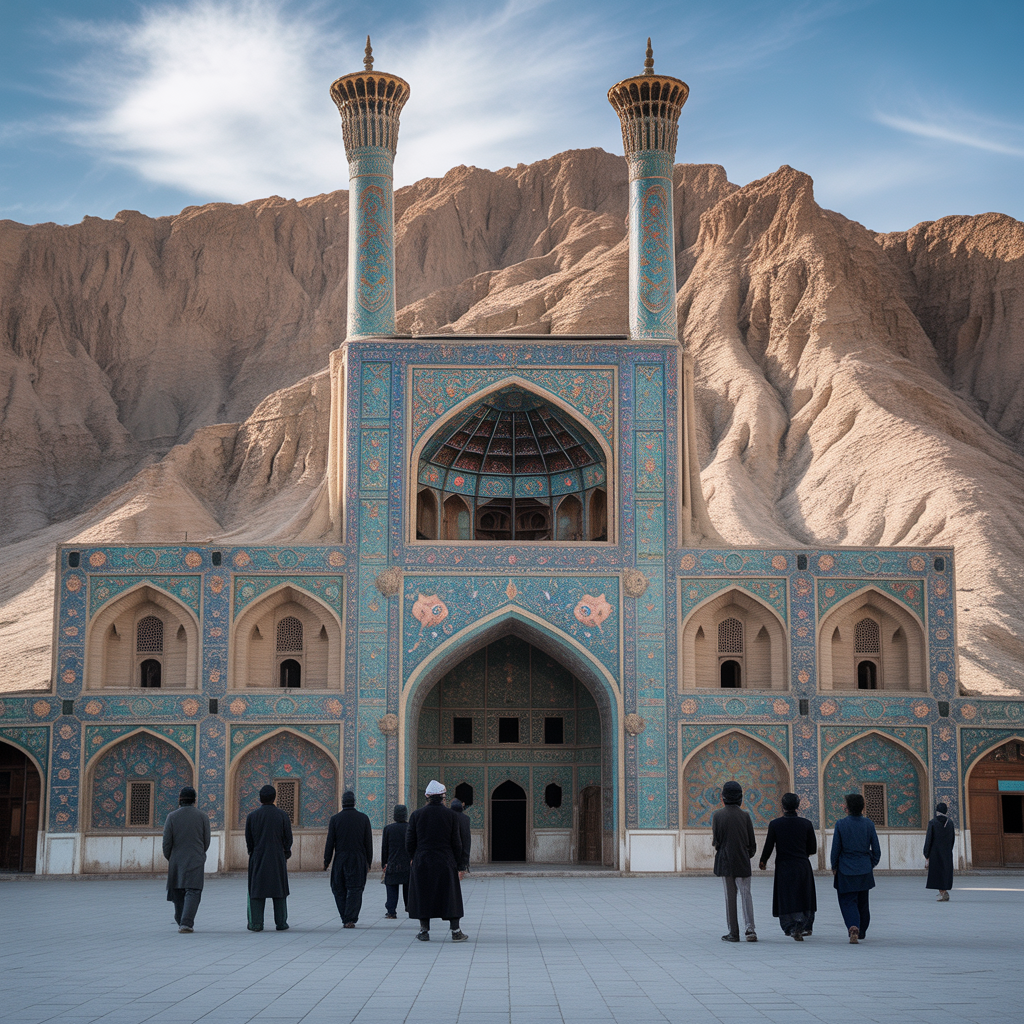
Another one of the most mind blowing facts about Iran is its remarkable ancient architecture, which reflects thousands of years of creativity and engineering skills. Iran is filled with historic buildings, mosques, palaces, and cities that showcase the brilliance of its past civilizations.
One of the most famous architectural sites is Persepolis, an ancient ceremonial city built during the Achaemenid Empire. This magnificent site features massive stone columns, detailed carvings, and grand staircases that have survived for more than 2,500 years.
Another architectural masterpiece is Golestan Palace, known for its beautiful gardens, colorful tiles, and elegant halls. Such landmarks highlight the artistic skills and cultural sophistication of Iranian builders and artists.
Iran’s ancient architecture not only attracts tourists and historians but also stands as lasting proof of its advanced civilizations and rich cultural heritage.
14. Iran Has a Strong Film Industry
Another one of the most mind blowing facts about Iran is its internationally respected film industry. Iranian cinema is known for its artistic storytelling, meaningful themes, and unique filmmaking style that has gained worldwide recognition.
Iranian filmmakers have won numerous international awards at major film festivals, proving the global impact of their creative work. One of the most famous directors is Asghar Farhadi, whose films have received global praise. His movie A Separation won the Academy Award for Best Foreign Language Film, bringing international attention to Iranian cinema.
Iranian films often focus on real-life social issues, family relationships, and cultural values, making them both meaningful and relatable to audiences worldwide. Despite facing challenges, the country’s film industry continues to grow and produce creative and influential content.
The success of Iranian cinema shows how art and storytelling can connect cultures and share powerful messages across borders.
15. Tea Is the Most Popular Drink
Another one of the most mind blowing facts about Iran is that tea is the most popular drink across the country. In Iran, tea is not just a beverage—it is an important part of daily life and social culture.
Most Iranians drink tea several times a day, whether at home, at work, or when welcoming guests. Serving tea to visitors is considered a sign of respect and hospitality. Traditionally, tea is served in small glass cups, allowing people to enjoy its rich color and aroma.
Iran also produces its own tea, especially in the northern regions near the Caspian Sea, where the climate is suitable for tea farming. Local tea is widely consumed and appreciated for its natural taste and quality.
Tea drinking is often accompanied by sweets, dates, or sugar cubes, and people may spend long periods talking and relaxing while sharing tea with family and friends.
This strong tea culture highlights the warmth and hospitality of Iranian society, making it an important symbol of everyday life in the country.
For more Articles Click here