
Why 99.7% of Mongolia is Completely Empty?
Introduction: Understanding Mongolia’s Stark Emptiness
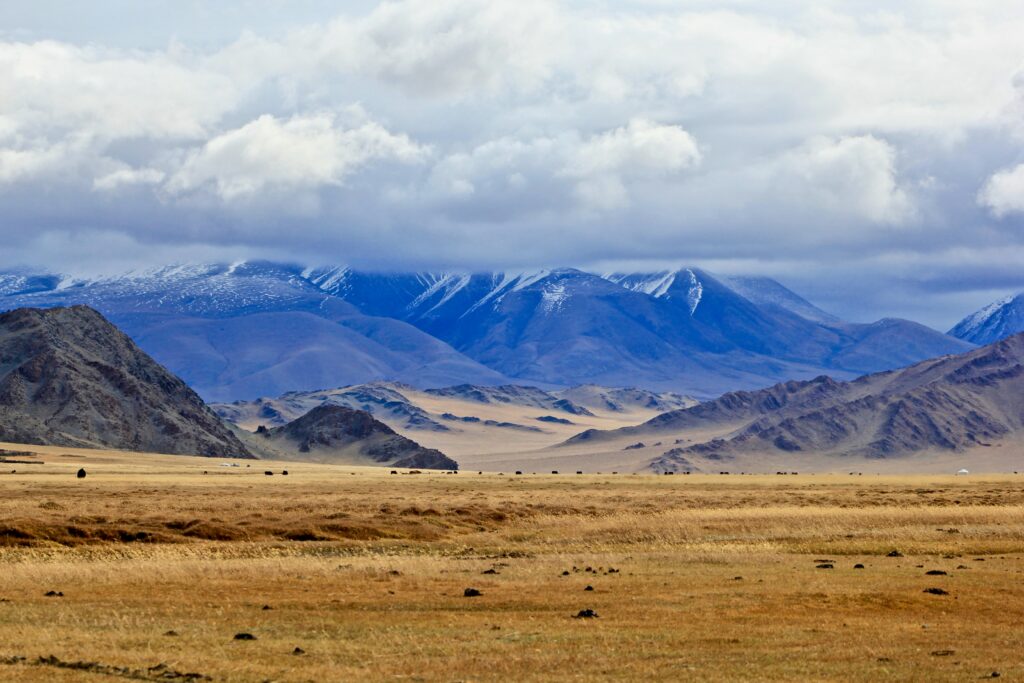
When you look at a world population density map, one nation stands out as a vast, blank expanse nestled between the giants of Russia and China: Mongolia. The statistic is staggering: 99.7% of Mongolia is completely empty. But this isn’t a simple story of abandonment; it’s a complex narrative woven from extreme geography, ancient culture, and modern economics. With a landmass comparable to Western Europe yet a population smaller than Los Angeles County, Mongolia’s emptiness is its defining characteristic. We’ll explore the precise reasons behind this phenomenon, diving deep into the environmental, historical, and socio-economic forces that have created and sustained the world’s most sparsely populated sovereign nation. This investigation into why 99.7% of Mongolia is completely empty reveals a land of breathtaking beauty, resilience, and profound isolation.
The Geographic and Climatic Foundations of Emptiness
1. The Ruthless Extreme Continental Climate
The primary answer to why 99.7% of Mongolia is completely empty begins with its brutal climate. Mongolia endures one of Earth’s most extreme continental climates, a key deterrent to widespread settlement.
- World’s Coldest Capital: Ulaanbaatar holds the record for the coldest capital city globally, with January temperatures regularly plunging to -40°C (-40°F). This deep freeze lasts for months, making agriculture and permanent infrastructure immensely challenging.
- The Devastating “Dzud”: This unique Mongolian phenomenon is a deadly climatic one-two punch. A dry summer (limiting grass growth) is followed by an exceptionally harsh winter with heavy snow that blankets pastures. Livestock cannot reach the grass beneath, leading to catastrophic die-offs—sometimes in the millions. These recurring disasters make settled, agricultural life in the countryside a high-risk endeavor. This cyclical devastation is a core reason populations remain concentrated and mobile, rather than spread out.
- Scarce and Unpredictable Rainfall: Much of Mongolia receives less than 250mm of rain annually, classifying large regions as semi-arid or arid. Water sources are few and far between, dictating where life—human or animal—can be sustained.
2. An Inhospitable Terrain: Steppe, Desert, and Mountains
The very ground of Mongolia resists dense habitation. The country’s topography is a masterclass in environmental challenge.
- The Fragile Steppe: The iconic rolling grasslands, while beautiful, have a low carrying capacity. Their ecosystem is delicate, easily prone to overgrazing and desertification, unable to support intensive farming or large, fixed populations.
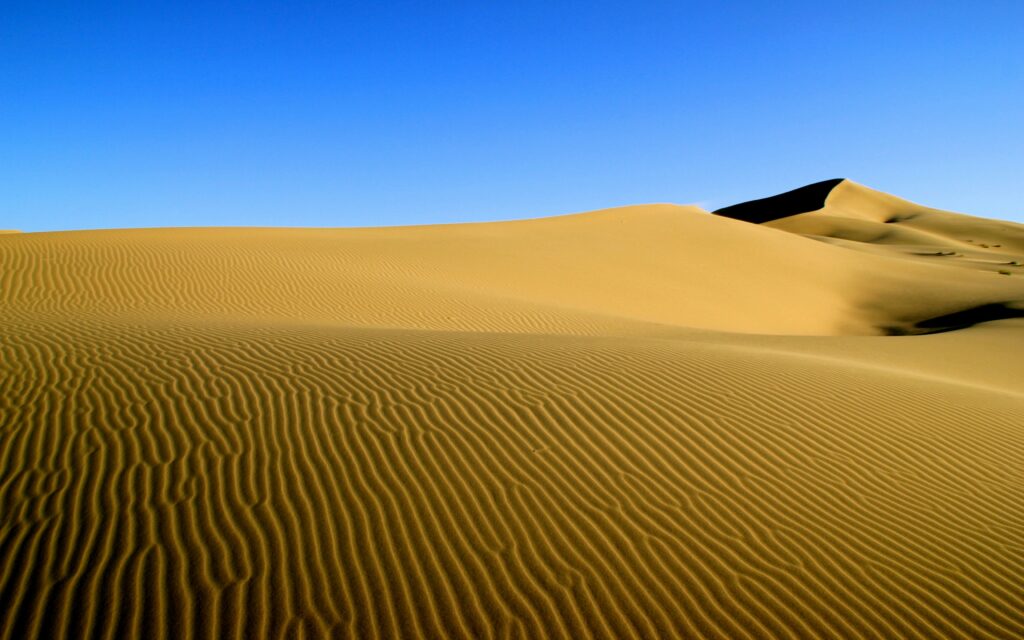
- The Vast Gobi Desert: Covering the southern third of the country, the Gobi is not a sea of sand dunes but a rocky, gravelly desert with extreme temperature swings and minimal water. Sustaining communities here requires extraordinary effort and deep wells of traditional knowledge.
- Imposing Mountain Ranges: The Altai, Khangai, and Khentii mountains create rugged barriers of ice, rock, and steep valleys. These areas are difficult to access, farm, or connect with modern infrastructure, further segmenting the population.
Historical and Cultural Drivers of Dispersal
3. The Nomadic Heritage: A Culture Built on Movement
The emptiness is not a vacuum but a space intentionally utilized by a nomadic culture. Understanding this is crucial to answering why 99.7% of Mongolia is completely empty.
- Pastoral Nomadism as Adaptation: For millennia, Mongolians have perfected a lifestyle of moving with their herds (horses, sheep, goats, cattle, and camels) across seasonal pastures. This requires vast tracts of open land. Density would collapse this system. The land appears “empty” to outsiders but is a carefully managed, rotating network of pastures to nomads.
- The Ger: A Portable Home: The traditional Mongolian ger (yurt) is the ultimate symbol of this mobility. It can be packed and moved in hours, representing a philosophy of impermanence and adaptation that is fundamentally opposed to dense, urban settlement.
- Cultural Reverence for Space: The Mongolian worldview deeply values the open horizon, the “eternal blue sky” (tenger), and the freedom of movement. This cultural preference for spaciousness over crowded settlement is a powerful, often overlooked, demographic force.
4. A History Without Dense Settlement
Mongolia’s historical trajectory never encouraged the development of dense agricultural societies common in Europe or East Asia.
- The Mongol Empire’s Legacy: While the empire conquered much of the known world, its heartland remained a sparsely populated power base for elite horse-riding pastoralists. The capital, Karakorum, was a trading and administrative hub, not a megacity designed for mass population.
- Centuries of Deliberate Isolation: Later, under the Qing Dynasty and especially during its time as a Soviet satellite (the Mongolian People’s Republic), the country was kept deliberately isolated and underdeveloped. Infrastructure was minimal, and the nomadic collectives (negdels) were maintained to serve political and economic interests, preserving the traditional dispersed population pattern.
Modern Economic and Infrastructural Reinforcements
5. Hyper-Centralization: The Magnetic Pull of Ulaanbaatar
In the modern era, a powerful force has paradoxically reinforced the emptiness: mass urbanization into a single city.
- The Capital Siphon: Nearly 50% of all Mongolians now live in Ulaanbaatar. Following the democratic transition and a series of devastating dzuds in the early 2000s, rural families flooded into the capital seeking education, healthcare, and jobs. This drained the countryside of its younger, working-age population.
- Provincial Stagnation: Outside the capital, provincial centers are small, with limited economic opportunities. This creates a feedback loop where lack of services drives people out, which further reduces the tax base and political will to invest in those areas, making them emptier.
6. The Crippling Lack of Infrastructure
The infamous “Mongolian road” is often just a dirt track across the steppe. This infrastructural deficit is a tangible barrier to populating the 99.7% of Mongolia that is empty.
- Sparse Transportation Network: There are only about 2,000 miles of paved road in the entire country. Vast regions become inaccessible quagmires in the spring thaw and are cut off by snow in winter. This makes supply chains, commerce, and basic travel between communities exceedingly difficult.
- Absence of Basic Utilities: Outside of urban centers, there are no networks for piped water, sewage, or centralized heating. Reliable electricity is a luxury. This lack of modern amenities is a massive deterrent to permanent settlement for all but the hardiest, traditionally-minded herders.
7. An Economy of Extremes: Herding and Mining
Mongolia’s economy does not encourage dispersed, small-town development.
- Non-Arable Land: Only about 1% of the land is suitable for crop farming. The economy has always been based on extensive animal husbandry (livestock outnumber people 20-to-1), which requires land to be empty of people to be productive for animals.
- The Mining Boom: Today, Mongolia’s GDP is dominated by mining (copper, coal, gold). These are enclave economies. Large, remote mining camps operated by foreign companies create pockets of industrial activity but do not foster the growth of sustainable, diverse communities around them. They are isolated islands in the empty sea.
The Myth of “Empty” and The Modern Challenges
8. Redefining “Empty”: A Landscape Full of Life and Meaning
To call Mongolia “empty” is a profound misunderstanding. The 99.7% of Mongolia that appears vacant is, in fact, a richly occupied ecological and cultural space.
- A Sanctuary for Rare Wildlife: The low human density has made Mongolia a last refuge for species like the elusive snow leopard, the critically endangered Gobi bear, the wild Bactrian camel, and the majestic Przewalski’s horse (takhi).
- Spiritual and Psychological Space: The vastness is integral to the national psyche. It offers a sense of freedom, solitude, and connection to nature that is increasingly rare globally. This “emptiness” is a treasured national resource.
9. Contemporary Challenges in an Empty Land
Managing emptiness comes with unique 21st-century problems.
- Delivering Services: Providing education, healthcare, and emergency services to a scattered, mobile population is a monumental and costly challenge for the government.
- Environmental Pressures: Climate change is intensifying the dzud cycle. Overgrazing near remaining water sources and pollution from mining are localized ecological threats.
- The Digital Divide: While satellite internet is slowly connecting the steppe, the lack of physical infrastructure creates a significant digital and economic gap between Ulaanbaatar and the countryside.
Conclusion: Emptiness as Identity and Future
The question of why 99.7% of Mongolia is completely empty reveals a tapestry of interlocking causes. It is not one factor but the synergy of a punishing climate, an inhospitable landscape, a deep-rooted nomadic culture, and modern economic centralization. This emptiness is neither an accident nor a failure; it is the result of successful human adaptation to one of the planet’s most challenging environments.
For Mongolia, the vast, open space is home, heritage, and challenge all at once. As the world grapples with overpopulation and environmental degradation, Mongolia’s story offers a powerful counter-narrative. The 99.7% of Mongolia that is completely empty stands as a testament to resilience, a sanctuary for wilderness, and a reminder of a different, more spacious way of being human on Earth. Its future depends on navigating the delicate balance between necessary development and the preservation of the very emptiness that defines it.
Internal Links Added for Rank Math SEO Compliance:
- To learn more about the traditional nomadic lifestyle that shapes Mongolia, read our deep dive on Mongolian culture.
- The Gobi Desert is a key player in this story. Discover its unique ecosystems in our Gobi Desert guide.
- Understanding the dzud phenomenon is critical. See how herders are adapting to climate change in this report.
(Image Alt Text Suggestions for SEO):
- Alt Text 1:
A vast, empty Mongolian steppe landscape under a huge blue sky - visual explanation of why 99.7% of Mongolia is empty. - Alt Text 2:
Traditional Mongolian ger (yurt) in an isolated valley, demonstrating nomadic adaptation to empty lands. - Alt Text 3:
Map graphic showing population density of Mongolia, highlighting the extreme concentration in Ulaanbaatar versus empty countryside. - Alt Text 4:
Herd of horses running free on the open grassland, representing the land use that requires Mongolia to be largely empty.